

Repeated rain after soybean maturity can change the economics of a field before the combine arrives. A crop that looked ready for a strong harvest may develop stained seed, split pods and storage problems. Protecting its remaining value requires decisions that connect field condition with drying capacity and the requirements of the eventual buyer.
Let crop condition set the harvest order
Maturity at the start of a wet spell makes a difference. Early varieties that had already browned or reached leaf drop can experience several wetting and drying cycles while later crops are still green. That exposure creates opportunities for seed decay and pod damage. Fields sharing a planting date may therefore need different harvest priorities if their maturity and drainage differ.
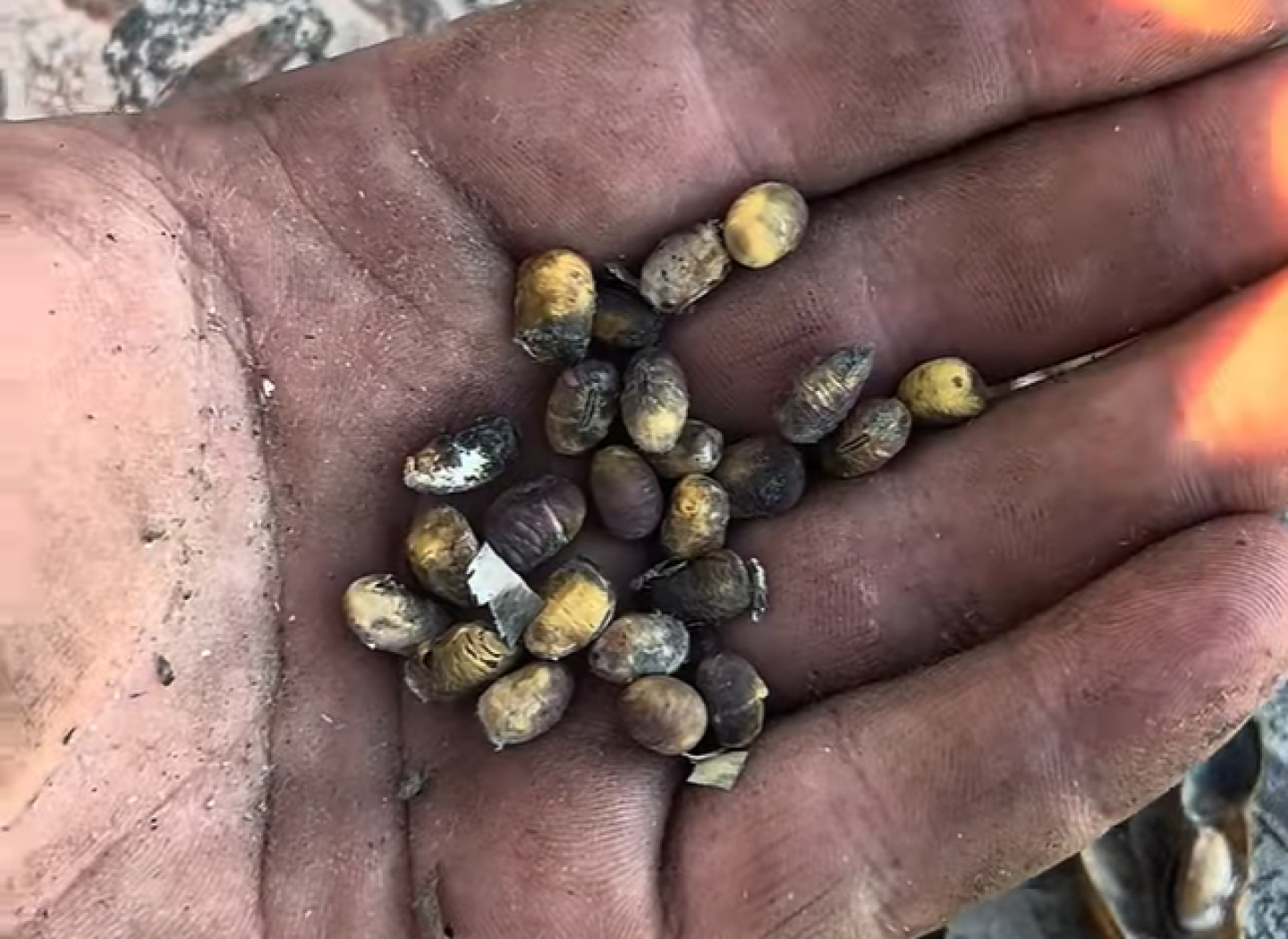
Purple seed stain, Diaporthe or Phomopsis decay and split pods are among the problems observed in affected crops. Inspect seeds as well as the canopy: a combine may discharge some light, badly shrivelled material while still collecting discoloured or infected beans. The appearance of a standing field does not describe everything entering the grain tank.
Losses can also occur through shattering as pods dry. Roughly four soybean seeds per square foot on the ground correspond to one bushel per acre, although careful assessment must distinguish existing field losses from losses introduced by the machine. Rechecking conditions helps determine whether an adjustment or a change of field is the better response.
Balance deterioration against traffic damage
A deteriorating crop deserves attention, but entering saturated ground can create compaction that affects later seasons. Wet stems and difficult feeding conditions can also reduce machine performance. The practical harvest plan should consider all three constraints together: how quickly quality is declining, whether the soil can carry equipment and whether the farm can handle the grain safely once collected.
Keep damaged grain identifiable
Separate questionable loads from sound beans and speak with the receiving elevator before delivery. Quality specifications, discounts and acceptance decisions may vary. Mixing material too early can make both quality management and documentation harder. Where insurance may be involved, contact the agent before commingling grain or changing arrangements that could affect evidence of the loss.
Storage needs its own plan. Extension guidance for damaged soybeans targets moisture at 13% or less, with 11–12% suggested for longer holding periods. Cooling through aeration and frequent checks remain important, because drying does not reverse existing damage. Marketing vulnerable grain earlier can reduce the time during which a compromised lot must be kept stable.
Carry the observations into the next season
Field notes on maturity, rainfall exposure, seed quality and harvest losses can improve future scheduling. The aim is to recognise which acres become vulnerable first and how much drying and transport capacity they require. A useful harvest record follows the crop all the way from the field to its final storage or delivery destination.
