

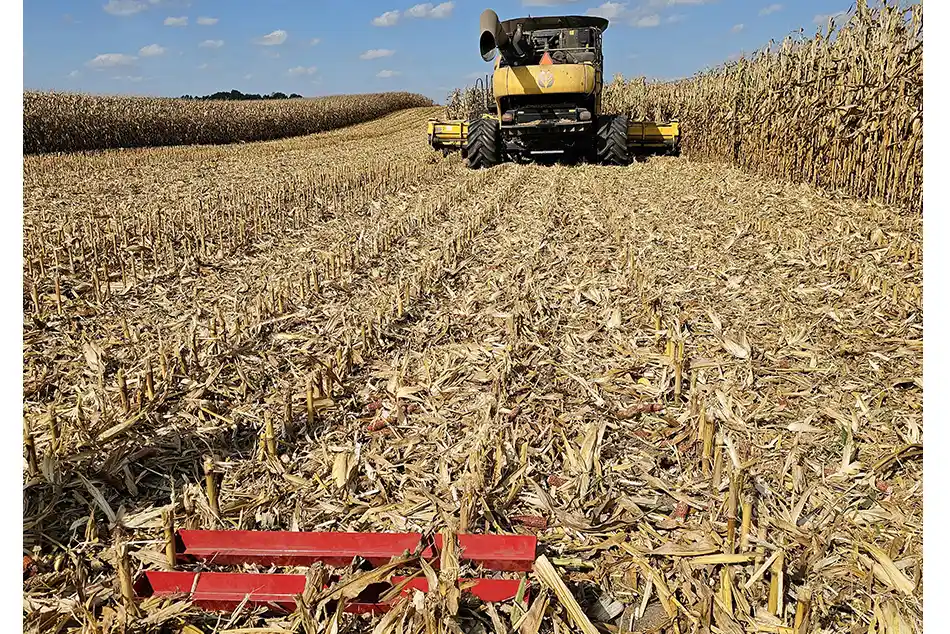
A combine can display a steady loss reading while the operator has little confidence in what that number represents. Electronic monitoring is useful during harvest, but it needs a reference from the crop and conditions actually being encountered. Collecting that reference becomes harder when a sampling pan lands unevenly, tips over or fails to catch material consistently among tall stalks.
Why the landing matters
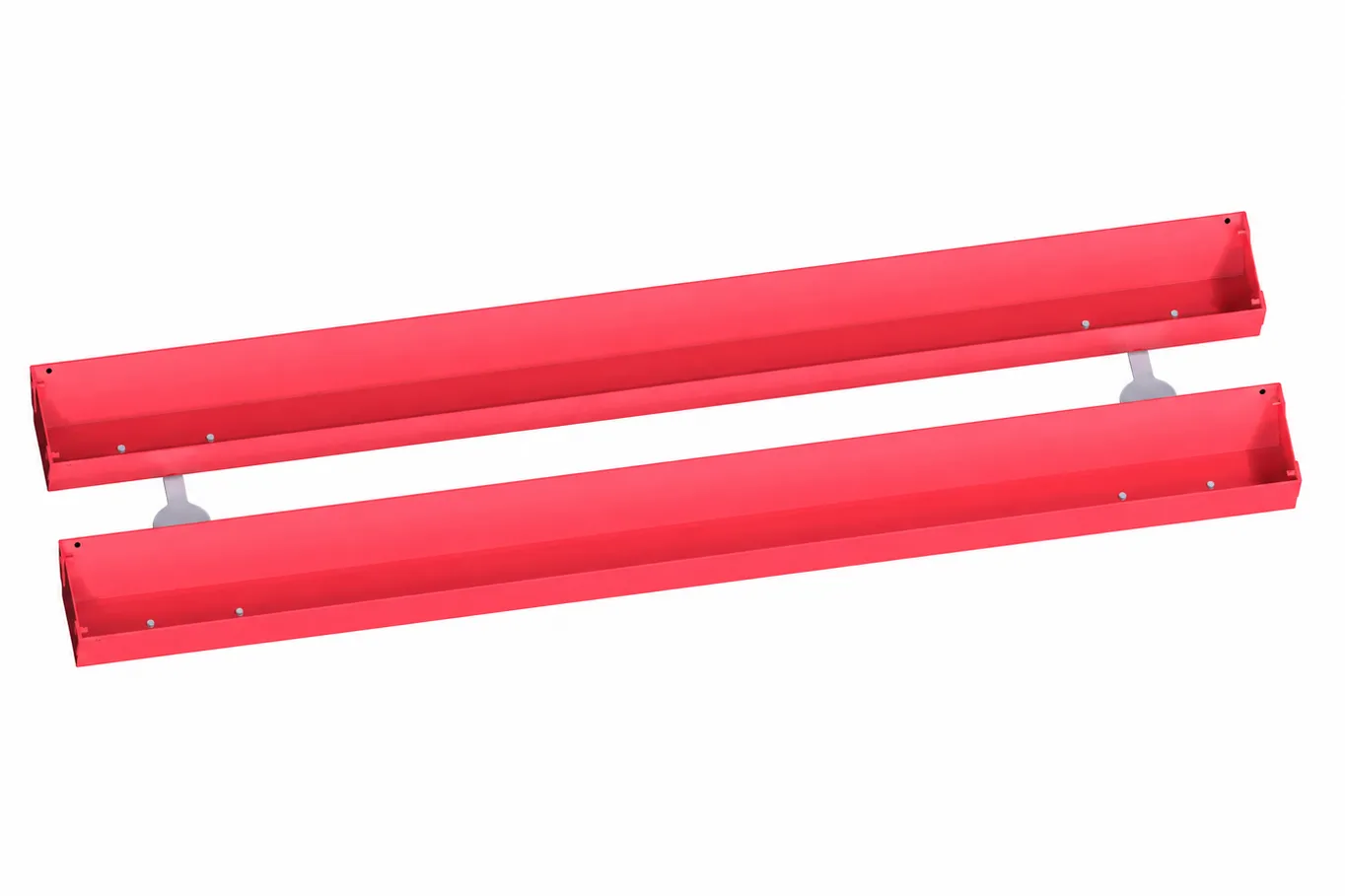
BranValt’s Dual Narrow Pan places two collection pans on a reinforced frame for greater stability in dense or uneven residue. It is offered as an add-on for the 40-inch SmartPan system, retaining the existing carrier and remote-release process. The design addresses the physical collection step that comes before a sample can be used to evaluate a combine’s electronic loss indication.
A sample needs to be representative of the material leaving the machine. If a collector changes position after release or spills some of its contents, the resulting measurement may say as much about the sampling process as about combine performance. Improving the stability of that process helps separate equipment behaviour from the uncertainty introduced by the collector itself.
A sensor reading needs interpretation
Loss monitoring gives an operator continuous feedback while a field is being harvested. Its main advantage is that changes can be noticed without stopping for every observation. However, the displayed signal still has to be related to a measured result. An unverified reading cannot, by itself, tell the operator exactly how much marketable grain remains behind the combine.
The crop also changes as work moves through the field. Moisture, residue and the quantity of material entering the combine can vary. A reference established under one set of conditions should be reconsidered when those conditions change substantially. This makes calibration a working part of harvest management rather than a check that is useful only before the first field.
Comparing adjustments consistently
A reliable sampling method helps an operator judge whether an adjustment has improved performance. Changing several settings at once can make that judgement harder, because the cause of a different result becomes less clear. Keeping a record of the crop conditions, the adjustment and the measured outcome creates a more useful comparison than relying only on a remembered dashboard reading.
The goal is not to chase the lowest number in isolation. Harvest decisions also involve throughput, grain quality and the machine’s response to changing material. A measurement becomes valuable when it supports a balanced decision about those factors. The operator needs enough confidence in the sample to know that the comparison reflects the harvesting process rather than an inconsistent collection.
Keeping the measurement part of the workflow
Sampling equipment is useful only if it can be incorporated into a realistic harvest routine. Compatibility with the combine, a clear release procedure and an understandable measurement process all influence whether operators keep using it. Making the collection step more dependable can reduce one source of friction without removing the need for careful interpretation of the result.
The dual-pan design illustrates a broader principle in connected agriculture: digital information becomes stronger when its relationship to the physical field can be checked. A better reference sample gives the loss monitor a firmer foundation and the operator a clearer basis for deciding what to change.
