

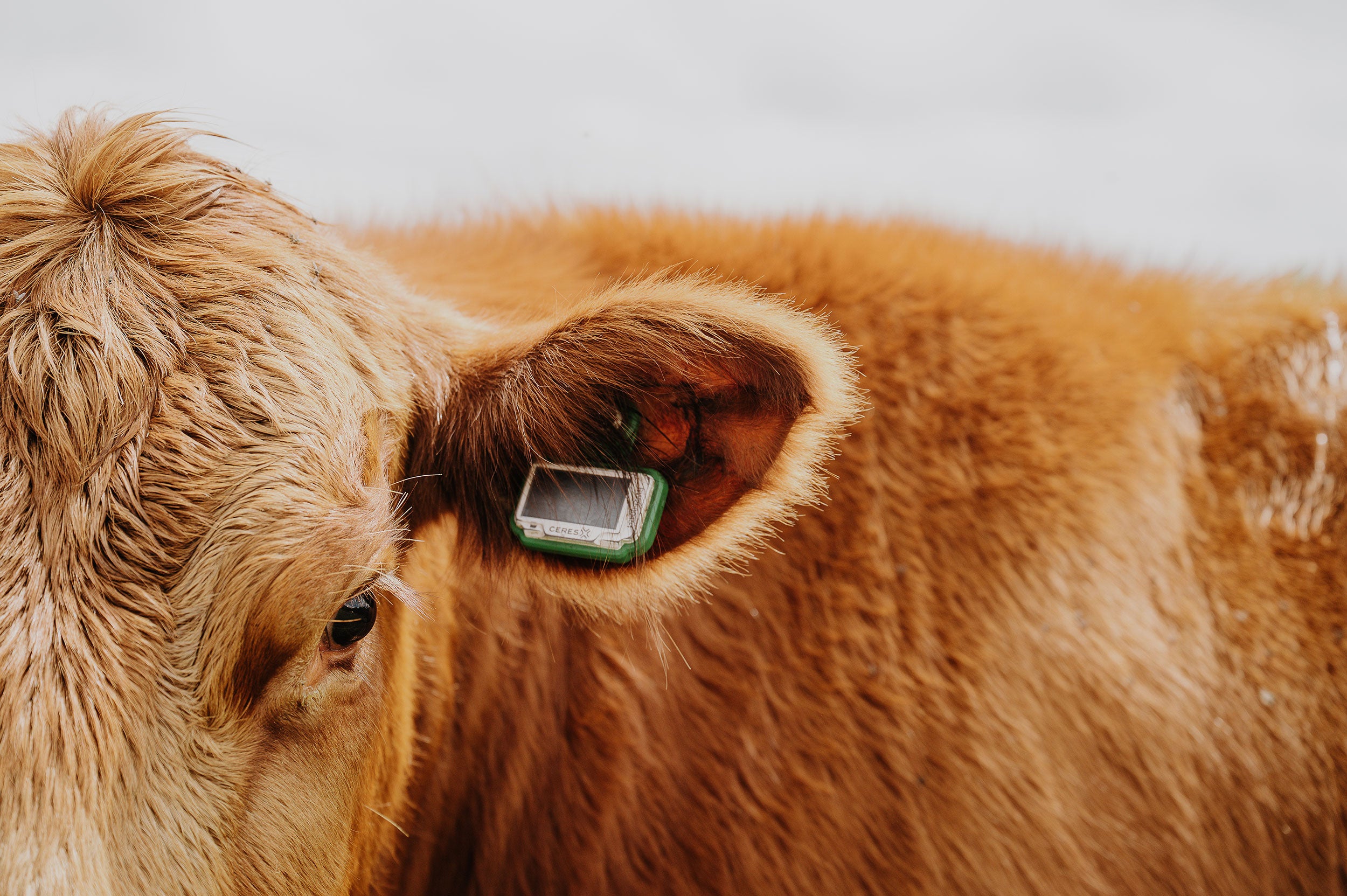
A herd is managed as a group, but the animals within it do not all behave in the same way. One may use a different part of the pasture, change its activity pattern or become harder to locate. Seeing those differences across a large grazing area has traditionally required time in the field. Connected livestock identification offers another way to keep individual animals visible between visits.
A familiar format with a different connection
CERES TAG uses solar-powered ear tags that transmit livestock information through satellites. The Australian company is expanding its US business, with tags designed to connect to existing software platforms rather than requiring a separate on-farm communications installation. The product’s focus is individual-animal information, including movement and behaviour, that can support herd management and traceability.
Satellite communication changes where a monitoring system can operate, but it does not remove the need to understand its limits. A producer still needs to know how frequently records arrive, how the device behaves under local conditions and what happens when a reading is delayed. Those details determine whether information can support a timely response or is better used to examine longer-term patterns.
From observations to useful questions
An activity record becomes valuable when it changes what a rancher chooses to inspect. A difference from an animal’s usual pattern can prompt a closer look, while location information may help organise work across paddocks. The observation itself is not the same as a diagnosis. Context from the animal, the pasture and the people managing both is needed before deciding what the change means.
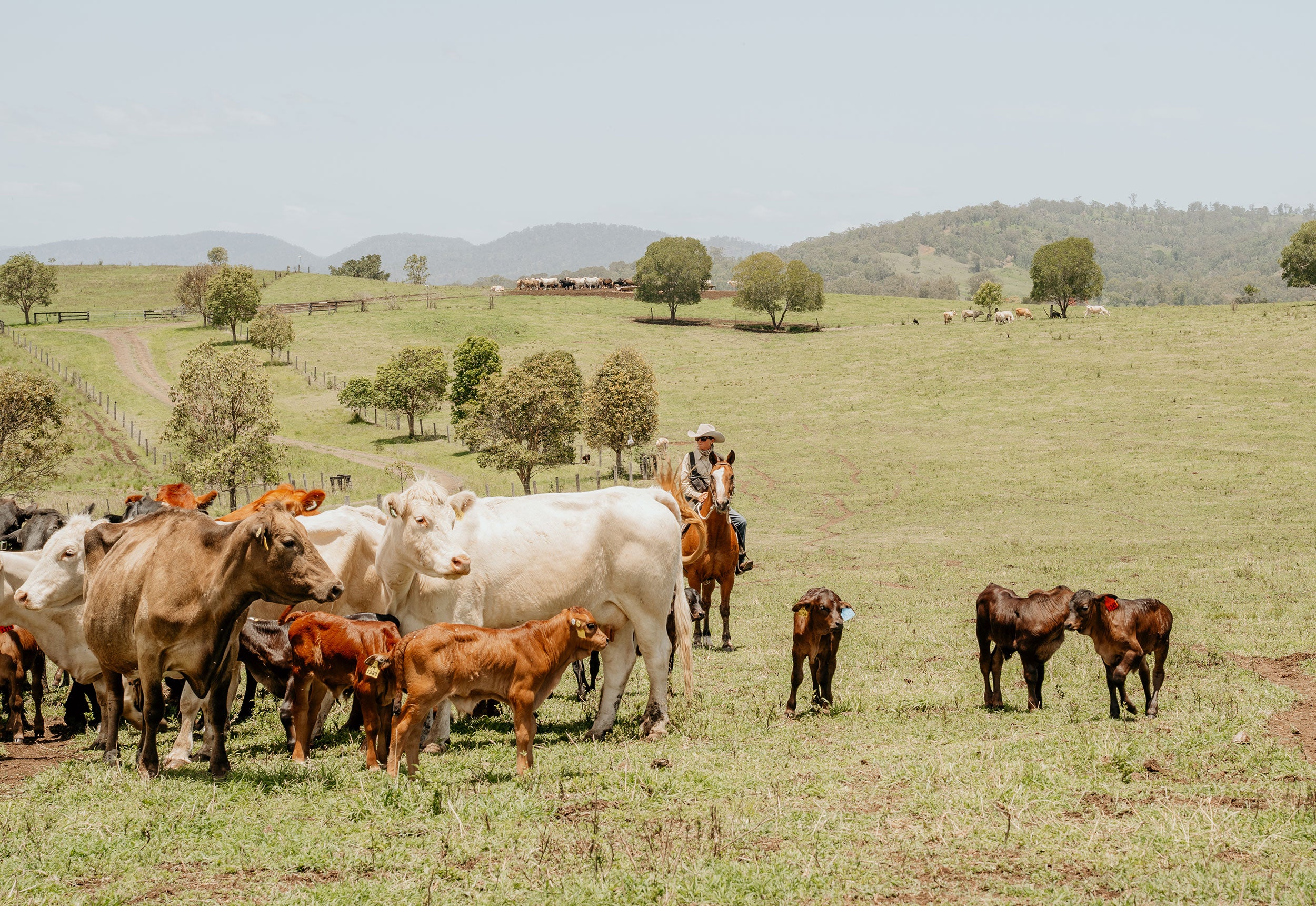
That is why a dashboard should help prioritise attention rather than present every measurement as equally urgent. A large collection of data can be difficult to use during a busy working day. Clear summaries, understandable alerts and a route back to the underlying record make it easier to decide which animals need attention and which apparent changes can wait for routine review.
Connecting animal and pasture management
Individual records can also add detail to a broader grazing plan. Knowing where animals spend time may help a manager investigate uneven pasture use or compare behaviour after moving a herd. Those questions are different from controlling a boundary. Monitoring and virtual fencing can contribute to the same operation, but they perform different tasks and should be evaluated on that basis.
A useful trial begins with a defined question. A rancher might want to reduce time spent locating animals, improve the consistency of observations or strengthen the history that accompanies a sale. Reviewing a small deployment against that objective helps distinguish a genuinely useful capability from information that is interesting but does not change an operational decision.
Keeping the producer in control of the record
Connectivity makes livestock records easier to share, so access and ownership deserve attention from the outset. The farm should know what information moves into another platform, who can view it and how it can be exported. A system that fits existing workflows is more useful when the producer can keep the history available even as software or commercial relationships change.
Connected ear tags offer a way to bring individual-animal information into everyday management without changing the familiar form of livestock identification. Their value depends on whether those observations make work clearer, more targeted and easier to follow through—not simply on the amount of data collected.
