

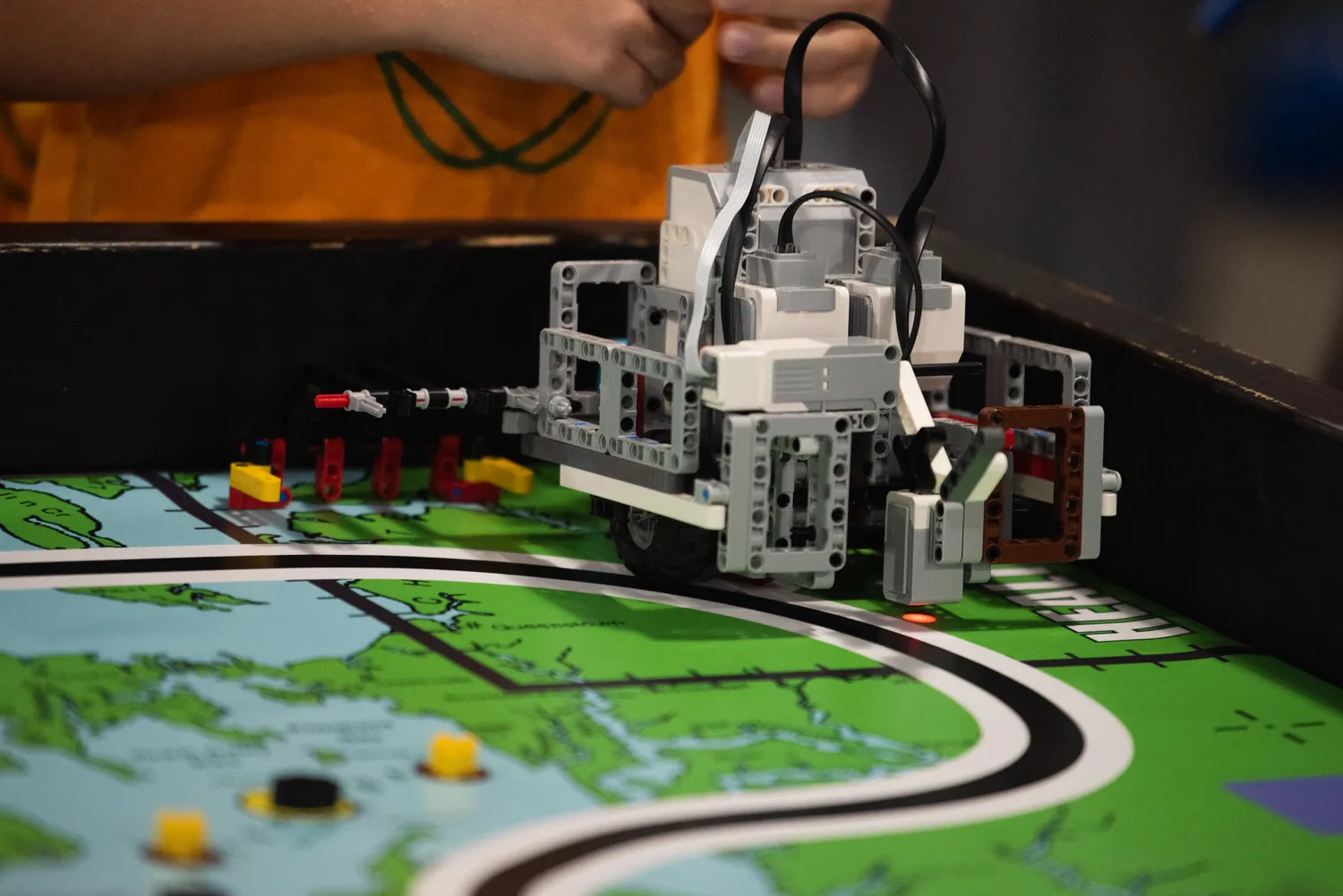
A room, enthusiastic students and willing volunteers can be enough to begin a practical learning programme—until the activity needs a reliable internet connection. In rural communities, that final requirement can prevent a well-prepared club from using the same digital resources as students elsewhere. Improving connectivity changes what an existing community space can offer without requiring the whole programme to move to a different location.
Connecting places where clubs already meet
A partnership between Starlink and the National 4-H Council is providing connectivity kits for rural learning programmes. Iowa received 10 of the 100 kits, with locations chosen around identified broadband gaps. The equipment is intended to support activities including robotics and access to online educational resources, working through participating universities and local 4-H groups.
For a club, the important change is the availability of a connection at the point of learning. Having to send students elsewhere for a video call or an online activity can interrupt a session and limit who can participate. A connected meeting space allows the equipment, volunteers and learners to remain together while using resources that were previously difficult to reach.
Robotics makes technical ideas tangible
A robotics activity connects software instructions with physical behaviour. Students can see what a programme makes a machine do, compare that behaviour with their intention and investigate why the two differ. That feedback provides a practical way to learn about sequence, measurement and problem solving. It also encourages participants to treat an unexpected result as something to examine rather than simply an unsuccessful attempt.
The link to agriculture is increasingly direct. Connected equipment, automated processes and digital observations all require people who can understand how information moves through a system. An educational robot is not a farm machine, but learning to test an input, observe an output and check an assumption builds habits that are relevant to technology used in the field.
Access is more than the presence of equipment
A new connection is a starting point, not the complete programme. Clubs still need suitable activities, facilitators who can support them and time for students to experiment. Equipment that is available but rarely used does little to close a learning gap. Planning how it will fit regular sessions is therefore as important as the initial installation.
Continuity matters too. A club should understand the practical arrangements for maintaining the connection, looking after devices and helping new participants get started. Shared resources become more valuable when their use does not depend entirely on one person. Clear routines help preserve the benefit as students, volunteers and programme needs change.
Building confidence with digital tools
Reliable access allows students to practise, make mistakes and try again. That is different from merely watching a demonstration of a technology they cannot use themselves. It gives participants a chance to develop confidence alongside technical knowledge, including the ability to question an output rather than assuming that anything produced by software must be correct.
For rural learning programmes, satellite broadband is valuable when it turns existing enthusiasm into sustained participation. The outcome to watch is not simply whether a dish has been installed, but whether more students can take part in activities, use the available resources and build skills that remain useful beyond a single club session.
