

Protecting a potato crop from pale cyst nematode begins long before damaged plants become visible. The pest can survive in soil for decades, travel with a small amount of contaminated earth and multiply around susceptible roots. Its persistence makes prevention, containment and repeated measurement parts of the same job.
Why a clean-looking field can still carry risk
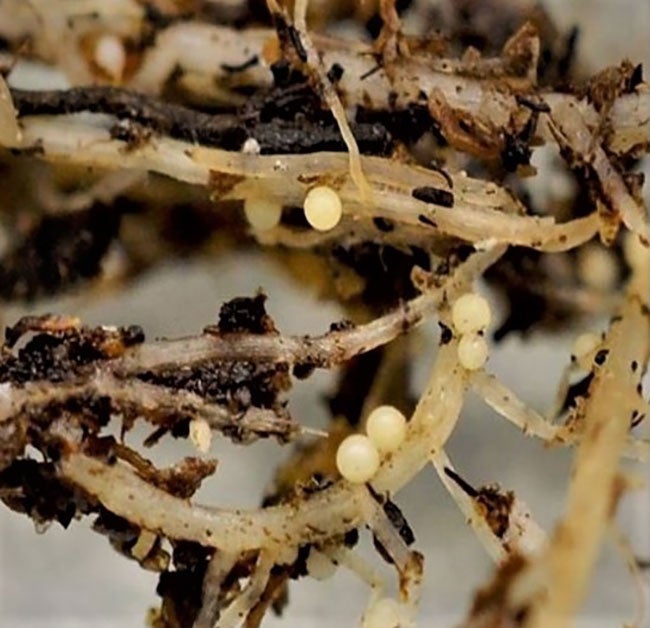
Globodera pallida protects its eggs inside cysts that may remain viable for as long as 30 years without a suitable host. Root signals can stimulate hatching, after which juveniles enter the roots and establish feeding sites. A field may therefore harbour a population through several rotations, even when the crop above ground gives little warning.
The consequences extend beyond the yield of one harvest. Infested land can lose access to its most valuable crop while growers complete eradication and testing requirements. In Idaho, the return of a 120-acre field to unrestricted potato production demonstrates that recovery is possible, but also shows the sustained effort required: that field spent 19 years in the control programme.
Stop the movement of contaminated soil
The nematode moves only limited distances by itself. Machinery, tyres, harvested material and footwear can carry it much farther. Research into the Idaho infestation found a pattern consistent with soil moving between nearby farms. Cleaning equipment before it crosses field boundaries is therefore a central defence, especially where contractors or shared machinery work across several holdings.
Sanitation must follow the requirements of the relevant plant-health programme. In regulated Idaho fields, pressure washing and authorised steam treatment form part of that process. Soil sampling provides a separate line of evidence: a clean machine cannot prove that a field is free of cysts, and an apparently healthy crop cannot replace a diagnostic result.
Combine tools that interrupt reproduction
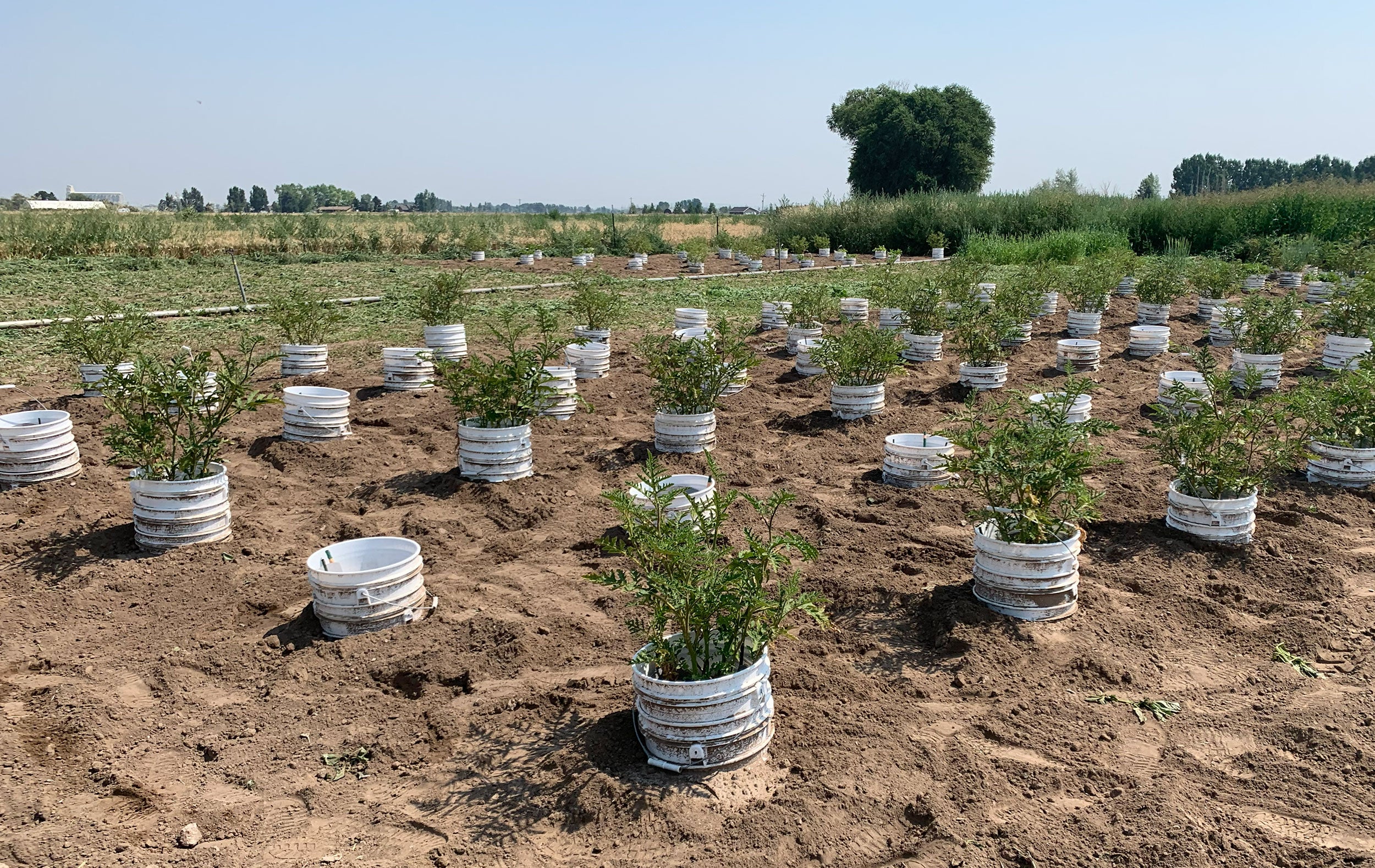
Rotation removes susceptible hosts, but the long life of the cyst means that waiting alone is slow. Trap crops offer a different mechanism: they encourage eggs to hatch without allowing successful reproduction. University of Idaho trials have investigated litchi tomato, while quinoa is also being explored because it may combine suppression with a marketable harvest. Performance depends on the crop, rotation and growing conditions.
Resistant potatoes, mustard-based biofumigation and approved chemical treatments can add further pressure on the population. Resistance is specific, however: protection against golden nematode does not automatically provide equivalent protection against pale cyst nematode. Breeding suitable resistant russet potatoes remains an important challenge for Idaho, where that market class dominates production.
Use evidence to guide the next rotation
International research teams are connecting genetics, diagnostics, trap-crop trials and decision support. For growers, the practical value lies in a documented sequence of actions: record where equipment has worked, map sampling locations, retain laboratory results and review the response to each treatment. Progress is measured across seasons rather than by one visually successful crop.
The strongest protection remains keeping the pest out of clean land. Where it is already present, a coordinated programme can reduce its population and eventually restore production options. Neither outcome comes from a single product; both depend on consistent soil hygiene and reliable evidence about what is happening below the surface.
