

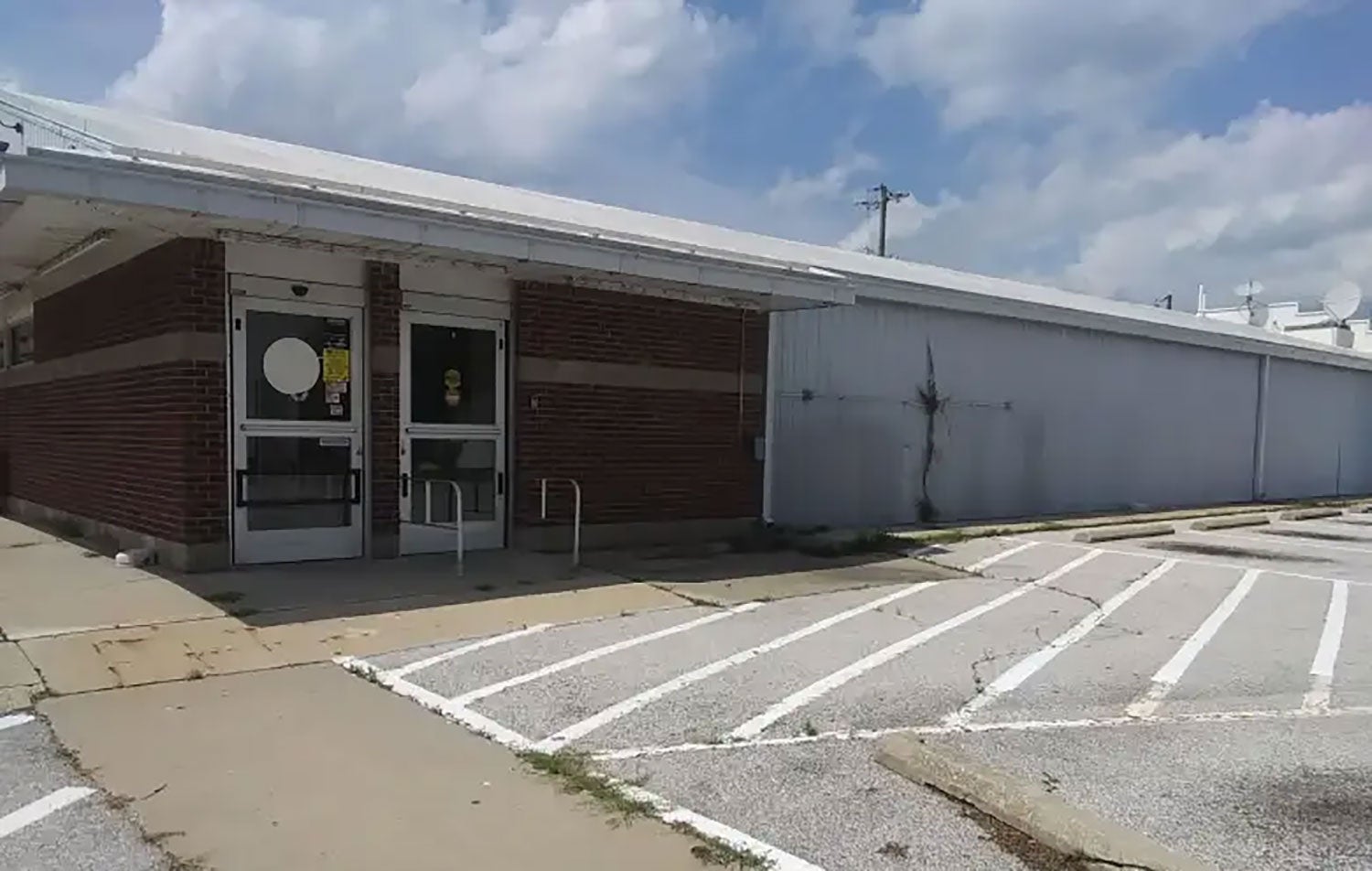
A farming landscape can still leave residents with a long journey to buy everyday food. When the only full-service grocery closes, the loss affects older people, households without transport and businesses that rely on quick local purchases. Shoals, a town of about 670 residents in Indiana, is exploring how a locally organised food shop might restore that connection.
Food access depends on more than nearby farmland
The closure of the town’s JayC store left residents choosing between a more limited local retail offer and trips to larger towns. One nearby destination requires a 16-mile round trip; other shoppers travel farther. Distance becomes a practical barrier when someone no longer drives or cannot easily arrange a lift. The availability of food must therefore be considered alongside the ability to reach it.
A discount retailer supplies some fresh produce, dairy products, frozen foods and other essentials, helping fill part of the gap. Residents nevertheless describe the absence of a conventional grocery as a significant change. A shop’s role includes range, convenience and regular access, not simply whether a town contains any business selling food.
Connect local production with a dependable outlet
Local leaders have discussed an independently operated shop supplied in part by farmers and nearby businesses. The idea would use local relationships to build a retail service that a national chain no longer provides. It remains a proposal requiring capital, enough customer support and a workable operating model; interest alone does not establish that a store can cover its costs.
An earlier parking-lot market showed one way to connect those suppliers with residents. Vendors brought locally grown produce, meat, dairy products and bread to a weekly gathering outside a restaurant. It gave the community a practical purchasing option and local producers a place to sell, although a seasonal market cannot provide the same schedule or range as a permanent grocery.
Design the service around the people who need it
A useful local food model has to reconcile the farmer’s need for reliable sales with the household’s need for dependable shopping. Opening hours, stock consistency, affordable choices and transport all influence whether customers return. For a small community, the practical challenge is to concentrate enough regular demand to support an operation with limited scale.
The Shoals discussion shows why rural development and agriculture intersect at the shop door. Producing food locally does not automatically create a route for residents to buy it. Rebuilding that route requires coordination between growers, retailers, residents and community organisers, with attention to the everyday details that make a food service usable.
