

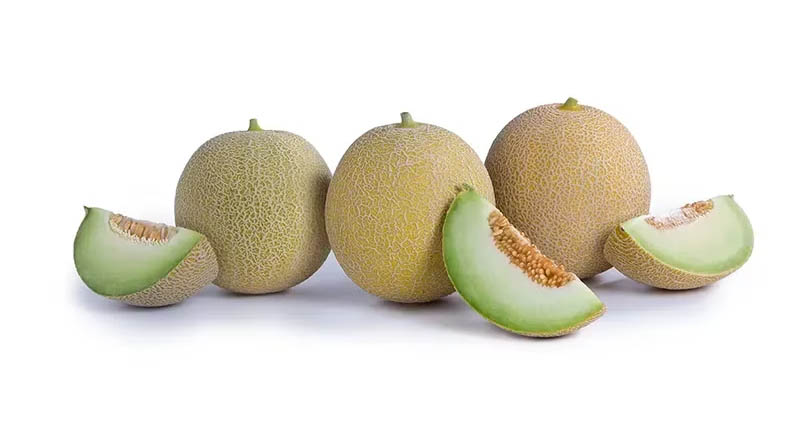
An organic melon variety has to satisfy two tests: it must remain productive under the farm’s disease pressure and produce fruit that buyers want. Resistance helps protect the crop, but flavour, size, shelf life and the harvest window determine whether that protection becomes a saleable product. Variety selection works best when these needs are assessed together.
Start with the threats in the growing system
Rijk Zwaan’s organic and untreated seed range illustrates how breeders combine different traits for distinct market segments. A broad resistance package can be particularly valuable where crop-protection options are constrained. Rootstock choice adds another layer, especially against soilborne disease. Neither replaces an understanding of the organisms present in the field or the conditions in which plants will develop.
Resistance descriptions should be read at the level of the specific pest, pathogen or race. The company’s developing Galuna Galia range includes work on powdery mildew resistance, including races 6 and 7, under its Px Defense designation. A statement about one disease is not a claim of protection against every problem a melon crop may face.
Connect resistance with the intended fruit market
Paloverde, a Harper-type melon, is presented with resistance to Cucurbit Yellow Stunting Disorder Virus and fruit averaging 1.6–2 kilograms. Zinasol is aimed at an early Cantaloupe cycle, combining protection against cotton aphid and associated viruses with fruit of around 0.9–1.3 kilograms. These examples show why resistance and commercial specifications belong in the same comparison.
For watermelons, the Sandissima concept focuses on flavour and small seeds. Gatinho produces relatively small fruit averaging about 2.5 kilograms, a size positioned for organic export markets. Morgan offers a different profile: an early, vigorous plant with intermediate resistance to Fusarium race 1, but fruit averaging 10–14 kilograms. That much larger format requires a compatible buyer.
Evaluate the whole production and sales cycle
A useful comparison follows the crop beyond establishment. Growers need to consider how the plant holds its health through the cycle, how uniformly fruit sets and whether sweetness and shelf life meet the intended route to market. A variety suited to a nearby buyer may need a different balance of characteristics from one travelling through a longer export chain.
Trialling candidate varieties under the farm’s own conditions helps make those trade-offs visible. Recording disease observations alongside fruit weight, marketable yield and quality gives the grower a more useful basis for selection than a single headline trait. The goal is a crop that stays manageable in the field and remains desirable when it reaches the customer.
