

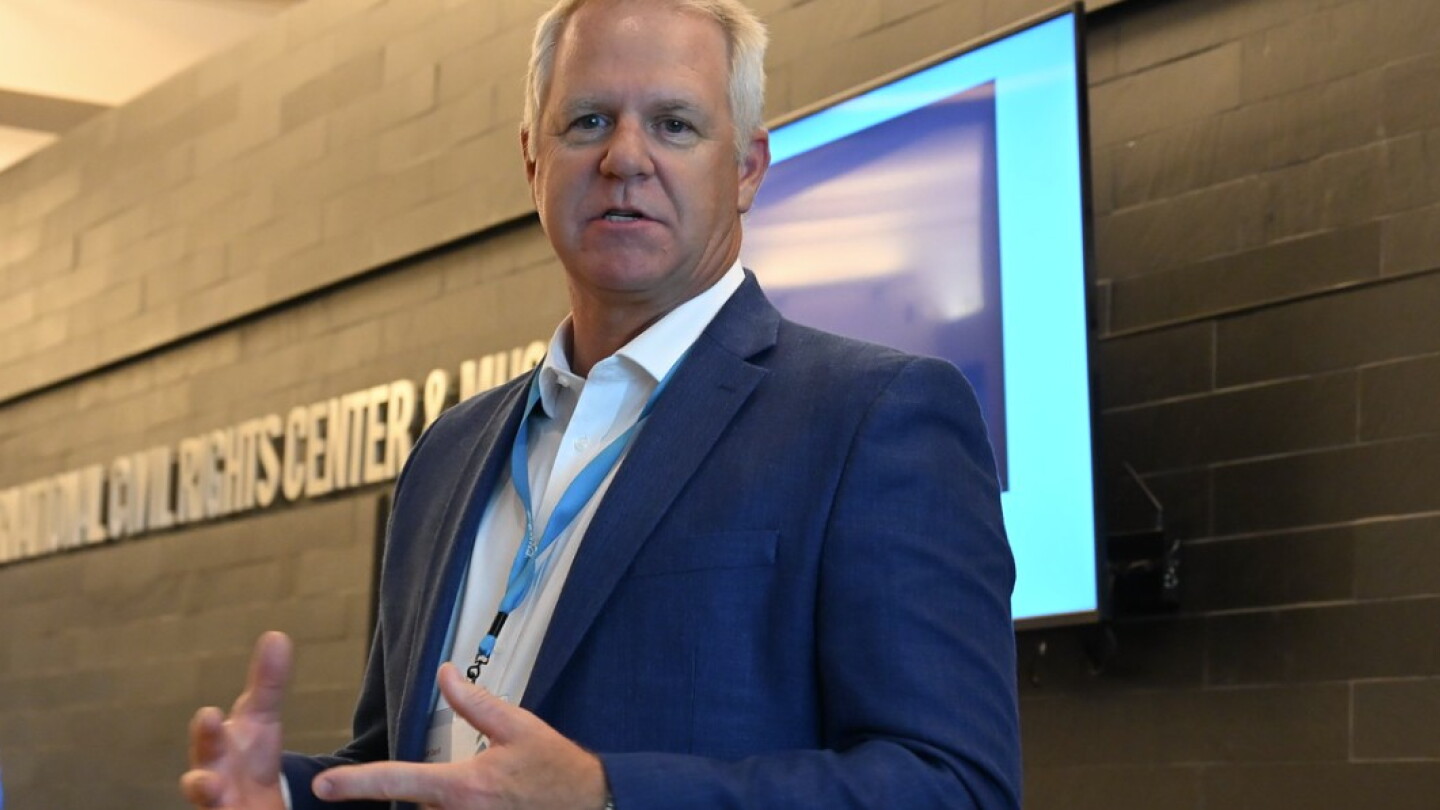
A farm can own several advanced tools without those tools improving the same decision. Seed choice, crop protection, field data and machinery often arrive through separate channels, leaving the grower to connect them. Syngenta’s new North American leader, Jeff Cecil, is placing that integration at the centre of his view of agricultural technology.
Judge the system by its contribution to the farm
Cecil has become president and regional director for North America after a career spanning the company’s crop-protection and seed businesses. He succeeds Vern Hawkins. His background includes growing up on a Kentucky grain and tobacco farm, farming independently and holding marketing and leadership roles within Syngenta and its predecessor business.
His emphasis is on the economic result of using technology. When margins are tight, a product’s price is only one part of the assessment: growers also need to know whether it protects yield, improves the use of inputs or makes an operation more effective. Combining tools has value when it helps answer those questions with evidence from the farm.
Connect genetics, agronomy and field information
The company’s proposed direction brings seed genetics and crop protection together with data, artificial intelligence and equipment. The objective is a more coordinated approach to field decisions. A seed or treatment recommendation becomes more useful when it can be considered alongside the growing conditions and the practical ability to carry out the operation at the right time.
Integration also changes how a grower evaluates a service. The relevant outcome is not how many separate features are available, but whether information reaches the person making the decision in a usable form. Compatibility, timing and a clear link to the intended agronomic action determine whether additional data simplifies work or adds another task.
Research remains part of the production pipeline
Syngenta reports investing more than US$1.4 billion annually in research and development worldwide. Its work includes crop-protection chemistry, seed genetics and emerging agricultural technologies. Within seed research, matching hybrids and varieties to growing conditions remains a core task, connecting the laboratory and trial network with choices made before planting.
One example in crop protection is Virestina, based on metproxybicyclone, a new subclass within Group 1 ACCase-inhibiting herbicides. The product is registered in Argentina and Brazil for use against resistant grass weeds in soybeans and cotton. Registration in one market should not be taken as authorisation elsewhere; availability and use remain specific to the relevant local approvals.
Measure the value of the connection
For the grower, the practical test of an integrated approach remains straightforward: identify the decision it improves, record what changed and compare the cost with the outcome. Linking technologies is a means of making field management more coherent. Its success depends on whether that connection produces a clearer, more timely and economically useful action.
