

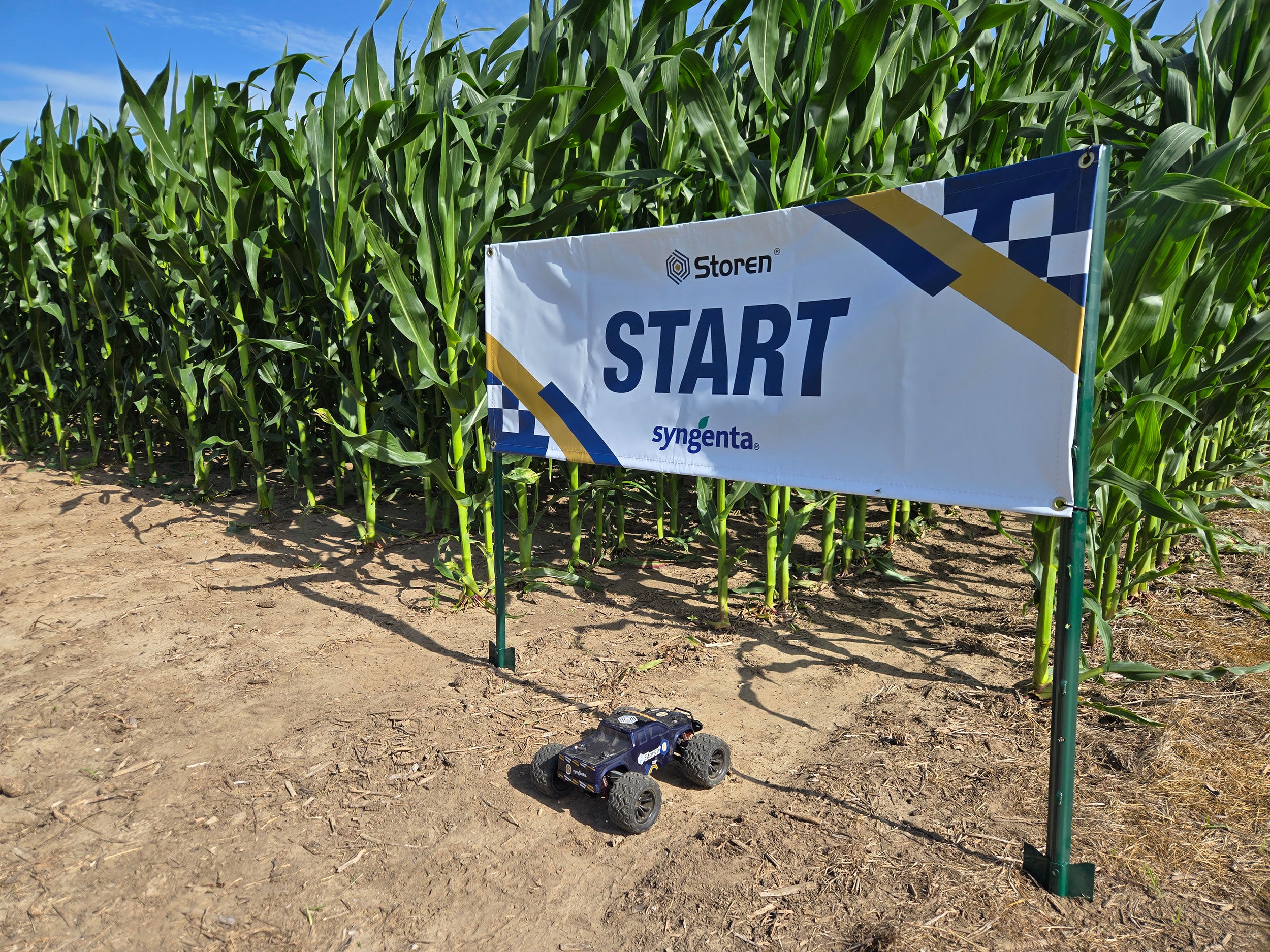
A clean row of corn can make weed management look straightforward. Behind that appearance are decisions about products, timing, conditions and the period over which protection needs to hold. A practical demonstration gives students an opportunity to connect those decisions with an actual field, rather than encountering crop protection only as a list of products or a classroom exercise.
Competition as a route into field observation
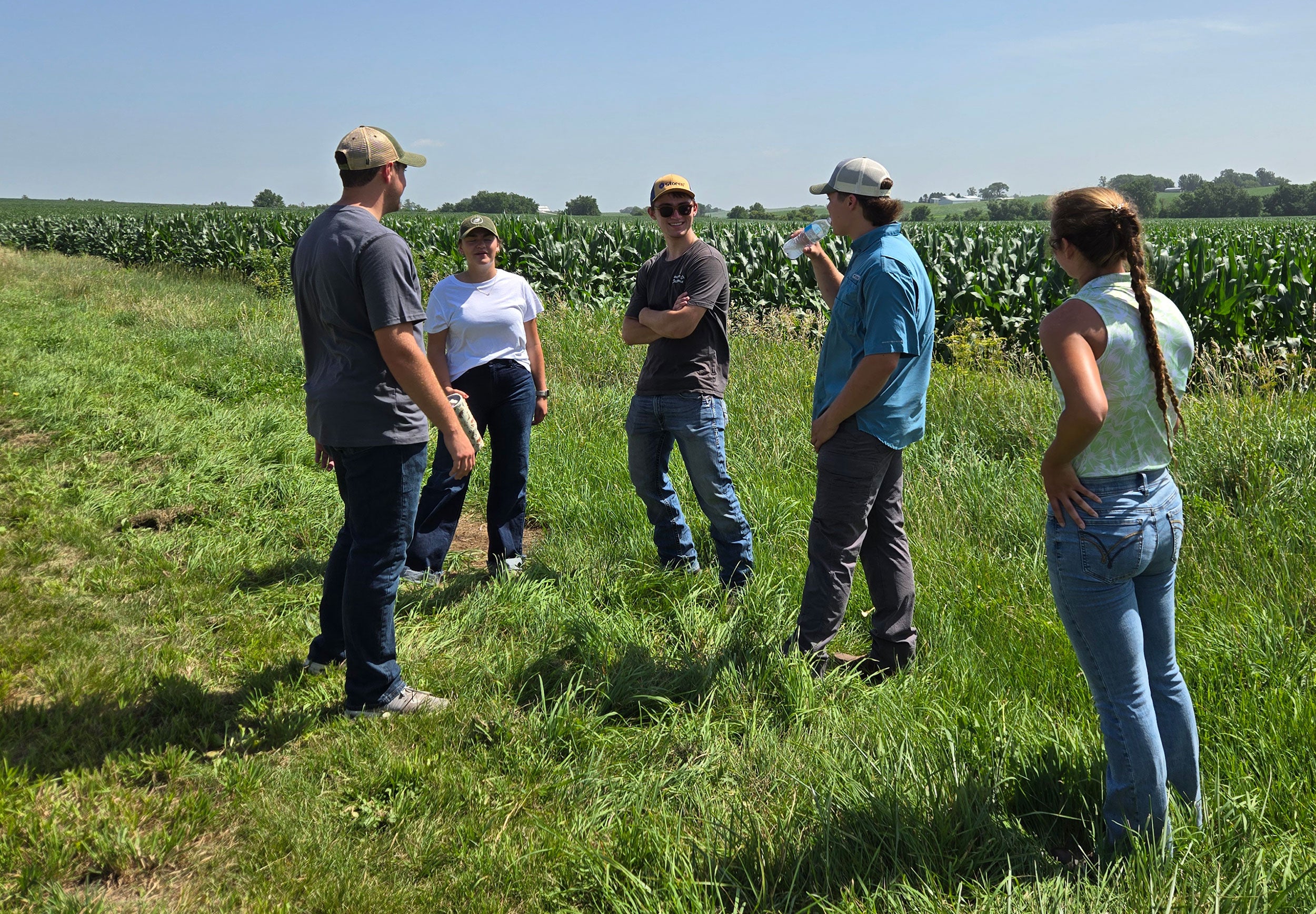
A Syngenta demonstration brought agriculture students from Iowa State University and the University of Illinois into a corn field for a remote-controlled vehicle competition. The event featured Storen, a corn herbicide formulated with four active ingredients, and linked the student teams’ performance with donations to agricultural charities. The setting turned a crop-protection demonstration into an exercise in practical participation.
The value of that approach is not that a competition proves agronomic performance. It is that participants can observe the crop environment and ask how it was created. The distinction matters: a memorable event can open a technical conversation, while evidence for a product still depends on how trials were designed, measured and compared.
Understanding residual protection
Residual weed control concerns the period after application, not simply the appearance of a field on one day. A grower needs to understand how a programme performs as conditions change and new weeds emerge. Soil conditions, moisture and the crop’s development are part of that setting. Looking at a field once cannot explain the complete history of the treatment or the pressures it faced.
This creates a useful learning task: follow a crop over time and distinguish what was observed from what is being inferred. Recording when weeds appeared, where they occurred and how the crop responded gives a clearer account than a single visual judgement. Students can then connect field observations with the reasons a programme was chosen in the first place.
Interpreting product comparisons carefully
A performance figure needs its conditions attached. The weeds included in a trial, the comparison treatment and the time at which results were collected all influence what the number means. A result should not be treated as a universal promise for every field. Keeping those details visible helps a future agronomist explain the difference between a measured trial outcome and an expectation for a particular farm.
The same principle applies to yield and economic comparisons. A treatment may perform differently depending on the pressure it encounters and the crop conditions around it. A useful evaluation considers the programme’s cost, the consistency of protection and the outcomes that matter to the grower. It avoids replacing that judgement with one impressive percentage.
Learning that continues after the event
Hands-on agricultural education works best when the activity leads to further investigation. Participants can compare field notes, examine why conditions varied and discuss what additional evidence would be needed to reach a conclusion. The aim is to build the habit of asking useful questions, not simply to remember which product appeared at a demonstration.
A field competition can therefore serve as the beginning of a more rigorous understanding of crop protection. The lasting lesson is how to connect a visible result with the decisions and evidence behind it. That skill remains useful as students move from an organised demonstration into the less predictable conditions of a working farm.
