

A cotton field can generate records about irrigation, crop management and harvests, while the supply chain beyond it asks a different set of questions about production practices and outcomes. Connecting those needs is difficult when each organisation collects information in a different way. Digital farming platforms offer a route to making the field record useful both locally and across a much larger network.
A platform moving beyond its initial network
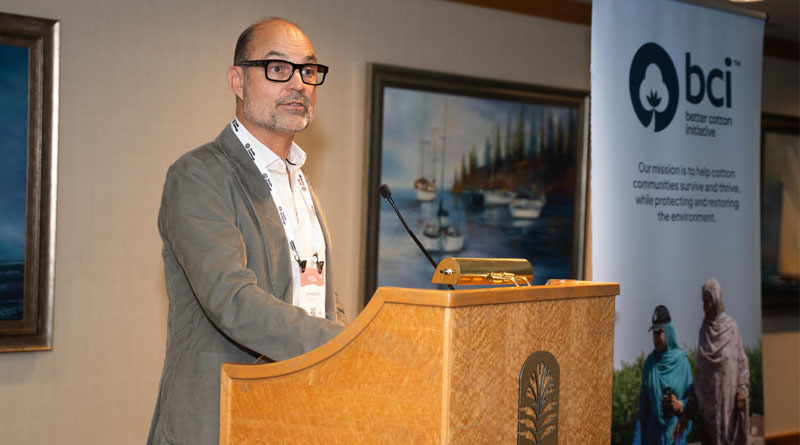
Better Cotton Initiative has acquired Co, an AI-enabled platform developed by Materra. The intended expansion would move beyond a programme involving 10,000 farmers to a network aligned with BCI’s standard of more than 1.3 million. Co combines farmer profiles, practical guidance and farm-data tools, with implementation planned from the 2027–28 cotton season. The transition creates a significant test of how digital support operates at scale.
Scale brings more than a larger user count. Farms differ in climate, resources, cropping systems and access to advice. A platform that supports those differences needs consistent records without assuming identical conditions. The challenge is to create information that can be compared while retaining the local context needed to understand why a particular outcome occurred.
Practices and outcomes are different records
Recording that a practice was adopted is not the same as demonstrating its effect. A change in irrigation management, for example, can be documented as an action. Understanding what it achieved requires observations about water use, soil conditions and production. Separating those records helps prevent an activity from being treated automatically as proof of an environmental or agronomic improvement.
This distinction matters when information reaches a buyer. A supply-chain claim should remain connected to the evidence supporting it, rather than to the mere presence of a dashboard. Clear definitions and repeatable collection methods make the information easier to interpret. They also help the farm understand what is being represented when its records are used beyond the field.
Useful guidance depends on useful inputs
AI-assisted guidance can help organise information and make it easier to navigate, but it still depends on the quality of what is supplied. A field profile missing its crop history or local constraints may support only a general recommendation. Making those limitations visible allows an adviser or farmer to add context instead of mistaking a generic answer for a field-specific instruction.
The design of data collection matters just as much. Repeated forms and duplicate requests take time away from farm work. A good system should make clear why a record is needed, allow existing information to be reused where appropriate and help users correct mistakes. Reducing administrative effort can improve the consistency of the evidence as well as the experience of supplying it.
Maintaining a history that can be checked
Long-term records make it possible to distinguish a persistent change from an unusual season. Keeping the method of collection visible also helps explain differences between farms or years. That is particularly important when a programme expands: a growing dataset is valuable only if new records can be understood alongside the older ones rather than silently changing what the indicators mean.
The platform’s wider role will depend on how effectively it connects practical support for farmers with credible information for the cotton network. Collecting more data is one step. Making that record consistent, understandable and useful for decisions is the work that turns a digital expansion into a functioning agricultural system.
