

Measuring the transformation from desert sand to productive soil
Desert Control combined its Liquid Natural Clay technology with continuous soil monitoring using Pycno technology and Pycno Terra sensors to better understand what happens below the surface as sandy land is transformed.
The challenge
Improving sandy soil is only part of the challenge
Sandy soils drain quickly and have limited capacity to retain water and nutrients around plant roots. Desert Control developed Liquid Natural Clay to change those properties without the disruptive excavation and cultivation traditionally required to mix clay into sand. But land restoration at this scale also creates another challenge: measuring what is happening inside the soil after treatment.
Transform the root zone
Desert Control's Liquid Natural Clay is applied to sandy ground as a liquid, allowing microscopic clay particles to move through the soil and attach to individual sand grains. The treatment increases the surface available to retain water and nutrients around the root zone.
Measure below the surface
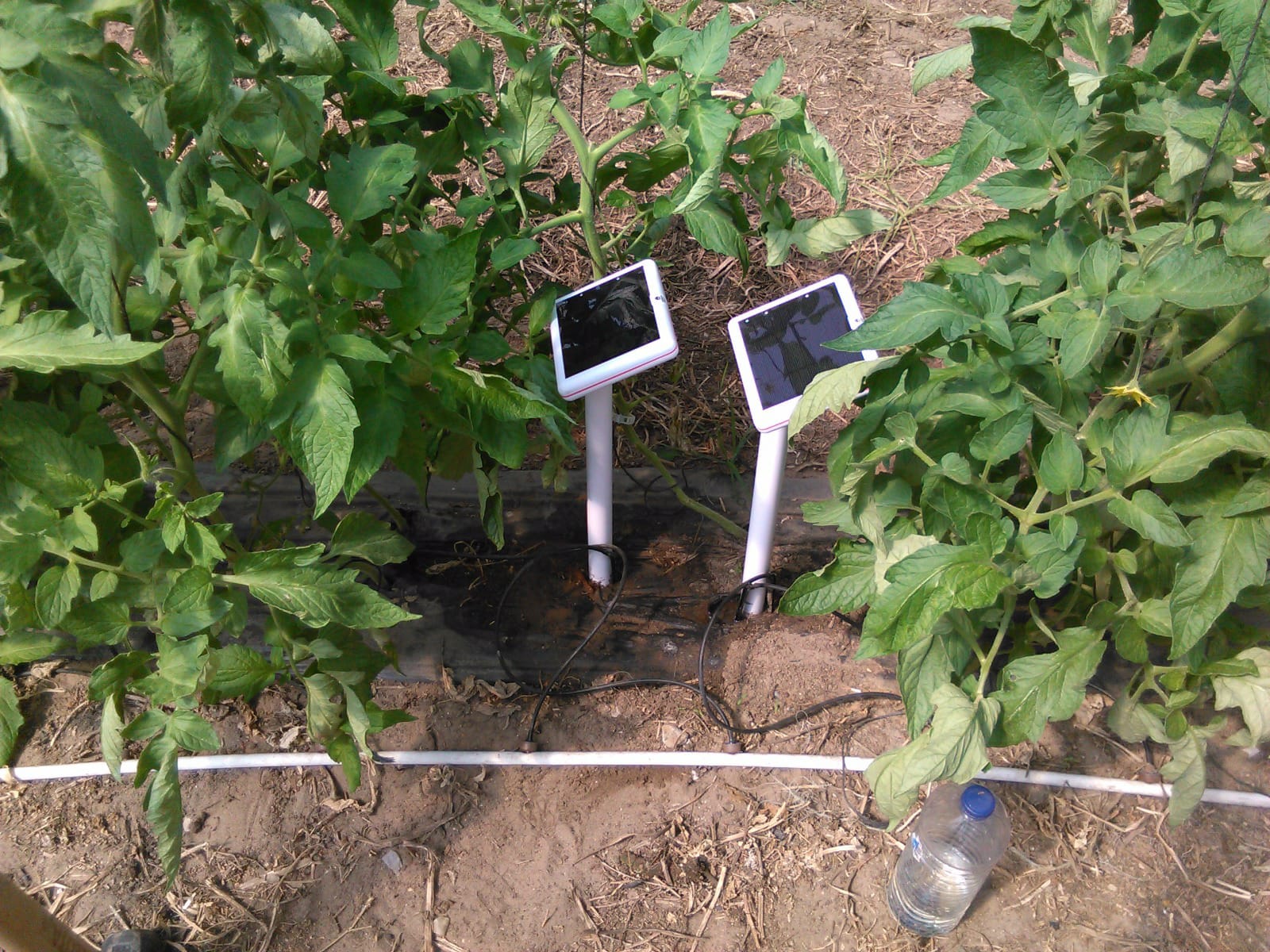
Pycno Terra soil sensors in the 60 cm configuration provided a continuous view into the soil profile. Instead of relying only on what could be observed at the surface, the project could follow conditions where roots and irrigation interact.
Connect the field
The Terra 4G sensors and Pycno technology formed part of the project's monitoring infrastructure, making field observations available remotely and giving the team a persistent data record alongside the soil treatment.
What we learned
Soil restoration becomes more powerful when the change can be measured
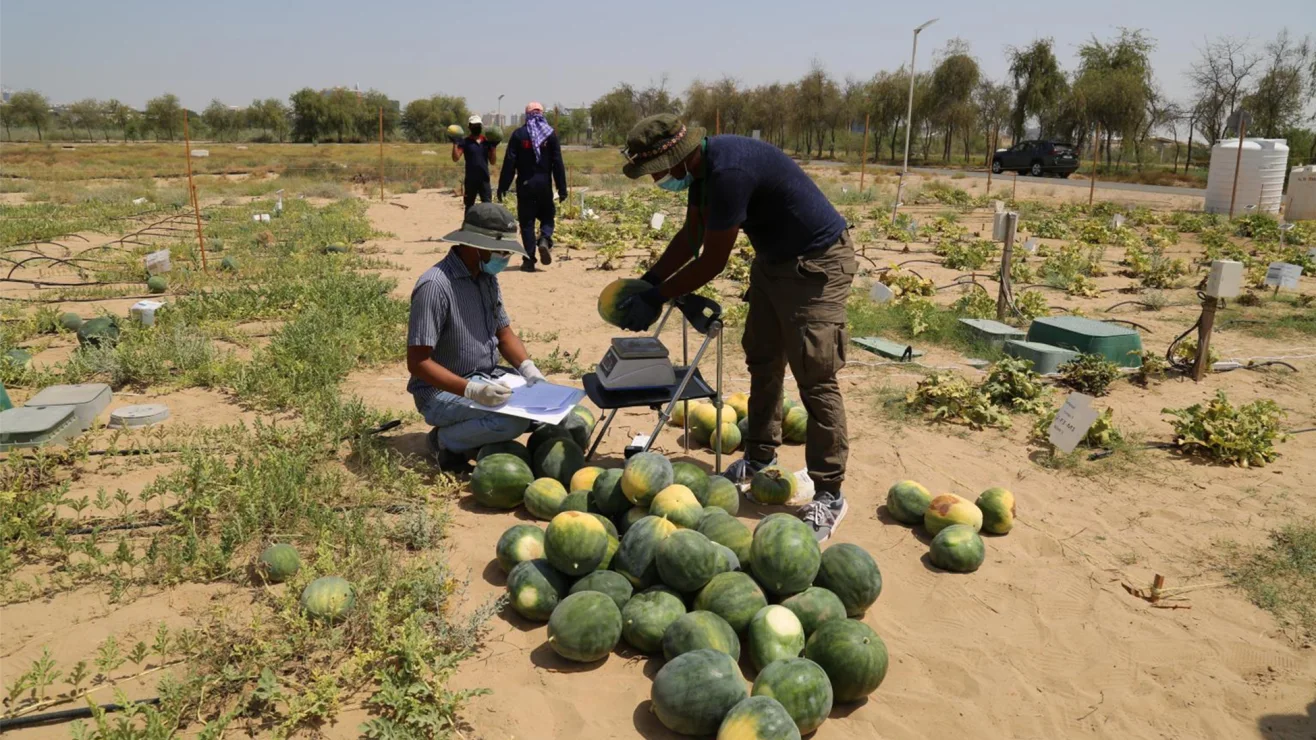
Desert Control's work attracted international attention because the visible transformation is striking: crops growing where productive agriculture was previously extremely difficult. BBC documented a UAE trial in which watermelon, zucchini and pearl millet were produced on a previously barren sandy plot, while CNN explored the technology's potential for agriculture and food security in arid regions.
For the project team, however, the story was not only what could be seen above ground. Continuous soil measurements added an objective record below the surface. That data made it possible to observe the environment being created around the roots and build a stronger evidence base for how soil treatment and irrigation interact.
Next step
Turn land restoration into a repeatable, data-driven process
The potential extends beyond proving that crops can grow in treated sand. Connected soil monitoring can help compare treatment strategies, understand irrigation requirements, follow changes over time and build evidence across different soils, crops and climates. As land-restoration projects scale, the combination of treatment technology and continuous measurement can make every deployment part of a larger learning system.